
-
The Standard Model of particle physics attributes the origin of mass to the Higgs mechanism, where particles acquire mass by interacting with a scalar field permeating all space. While mathematically robust, the physical nature of this field remains abstract. At Tri Imun, we propose a reinterpretation of this mechanism through the lens of Acoustic Cosmology…
-
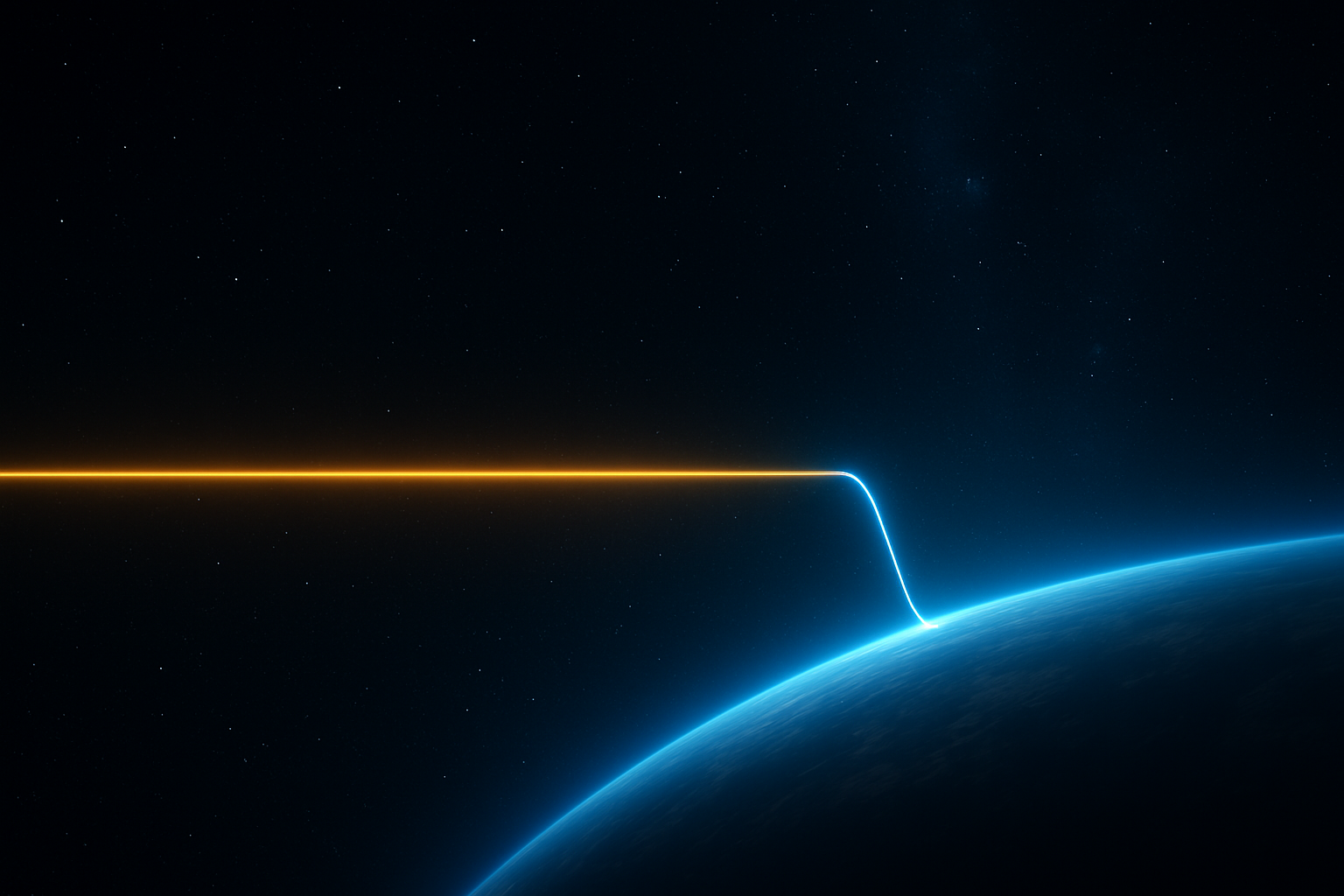
Harmonic resonance is a cornerstone of the Unified Field Framework. Our calculations based on the Golden Ratio phi and fractal geometry predict a fundamental cosmic pulsation of omega approx 7.77 Hz. However, empirical measurements of the Earth-ionosphere cavity resonances (Schumann resonances) consistently peak at approximately 7.83 Hz. Rather than invalidating the theoretical model, this deviation…
-
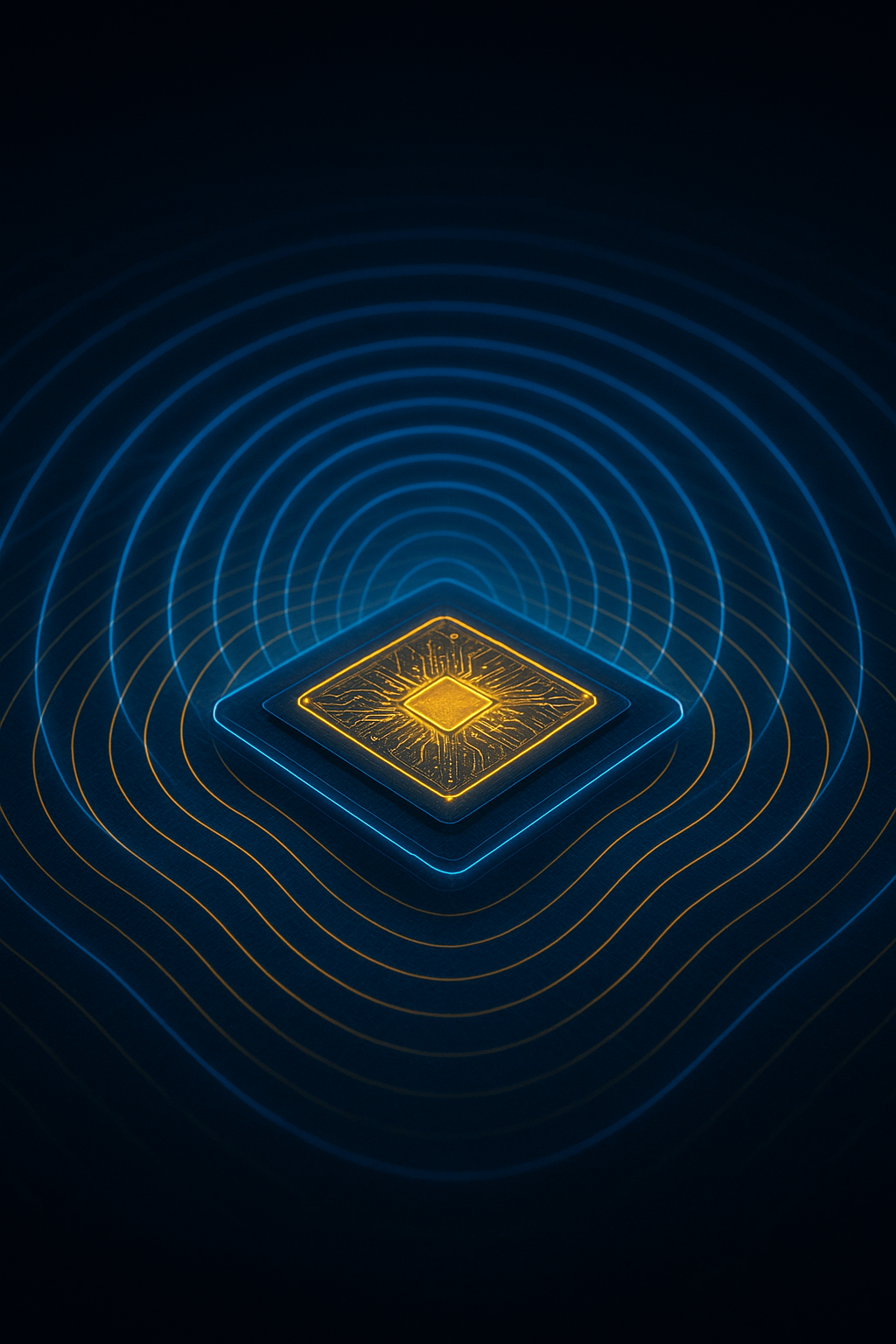
Current quantum computing architectures rely predominantly on “Passive Isolation” strategies, such as dilution refrigeration and electromagnetic shielding, to protect qubit coherence. However, the persistence of residual $\Lambda$ Noise suggests that static isolation is insufficient against the dynamic fluctuations of space-time. At Tri Imun, we present a novel protocol for “Active Quantum Synchronization” based on the…
-
Quantum decoherence is traditionally viewed by physicists as a technical “error”—a failure to perfectly isolate a quantum system (such as a qubit) from its environment. For decades, we have built powerful dilution refrigerators and thick electromagnetic shields, attempting to create a silent vacuum. But what if absolute silence is impossible? At Tri Imun Research Initiative,…
-
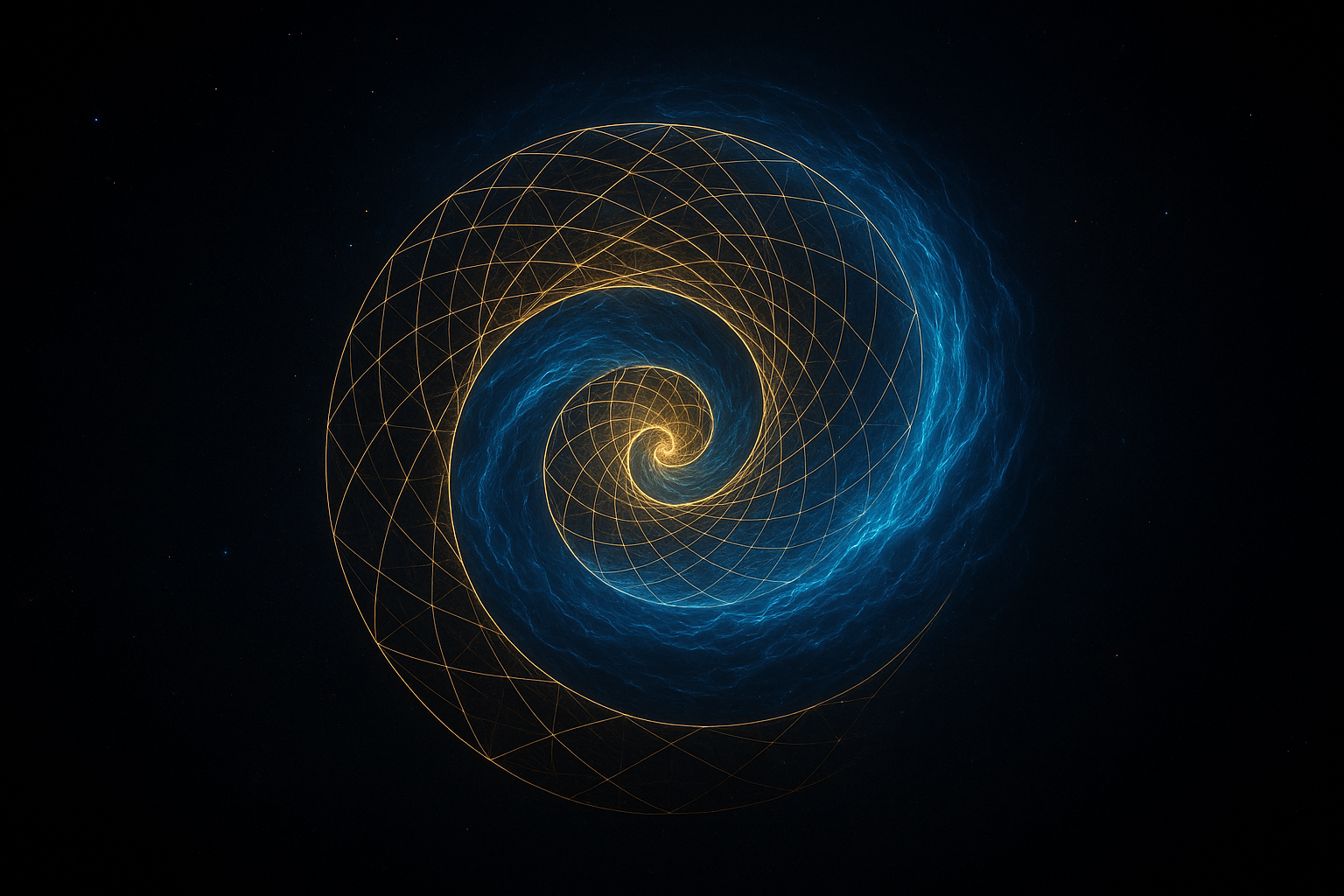
Abstract This paper presents a unified framework for cosmology and quantum coherence, challenging the standard Big Bang paradigm. The proposed Primordial Vortex Theory postulates that the universe originated not from a singularity, but from a finite primordial mass governed by two complementary electromagnetic fields: Field A (structural) and Field C (coherent-control). This dual-field interaction initiates…
-
Quantum Engineering / Applied Theory Author: José Geraldo de Souza Alves Current quantum computing architectures rely on a philosophy of passive isolation. We freeze transmons to near absolute zero and build Faraday cages to block external noise. Yet, decoherence persists. Why? Because we cannot shield against the fabric of space-time itself (Field A). At Tri…
-
Narrative Category: Quantum Mechanics Cosmology Author: José Geraldo de Souza Alves Decoherence is not merely a technical glitch in human laboratories—it is the great divider between the real and the apparent. In the pursuit of stable quantum computing, we often view a qubit losing coherence as an “error.” However, a deeper analysis suggests a different…